Optimal Timing for Water Treatments
Water treatments are essential for maintaining water quality and ensuring the safety of water supplies. Proper timing of treatments can optimize effectiveness and prevent issues such as mineral buildup, bacteria growth, and corrosion. Understanding seasonal and usage patterns helps in scheduling treatments at the most beneficial times.
Scheduling treatments during low usage periods, such as late fall or winter, can reduce disruption and enhance water quality management.
Regular testing identifies the need for treatments, allowing for timely interventions before problems escalate.
Performing treatments before peak usage seasons helps prevent mineral buildup and bacterial growth.
Treatments are most effective when performed in stable weather conditions, avoiding extreme cold or heat.
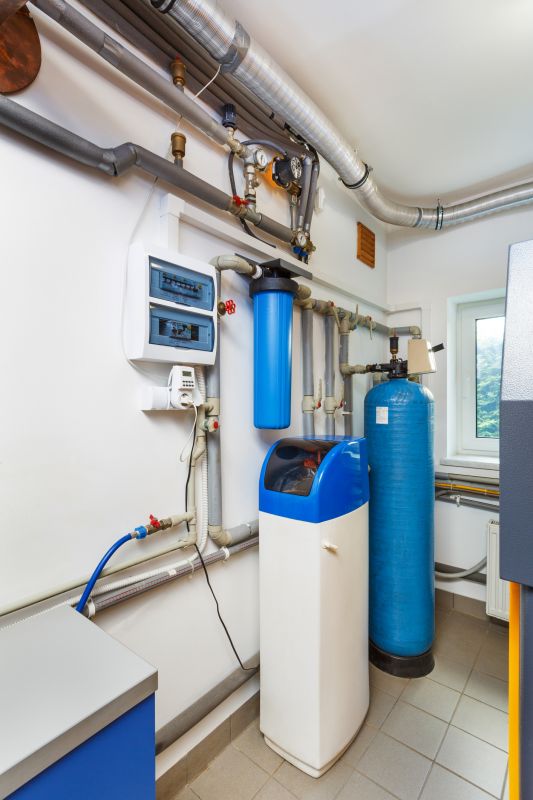
Filtration and chemical treatments are commonly used to improve water quality.
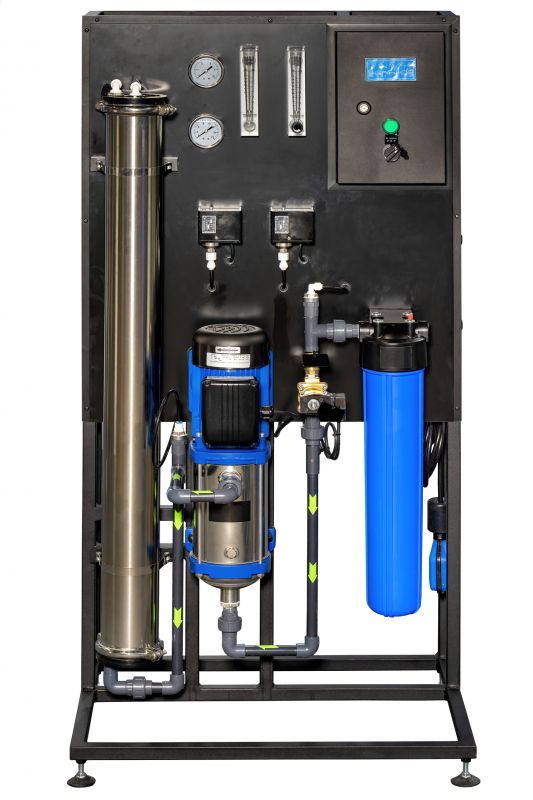
Modern systems include advanced filters and dosing units.
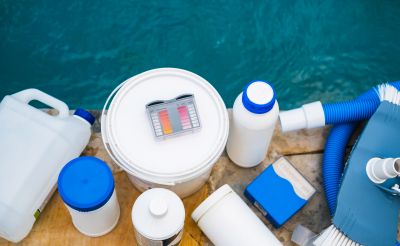
Laboratory testing ensures optimal treatment timing.
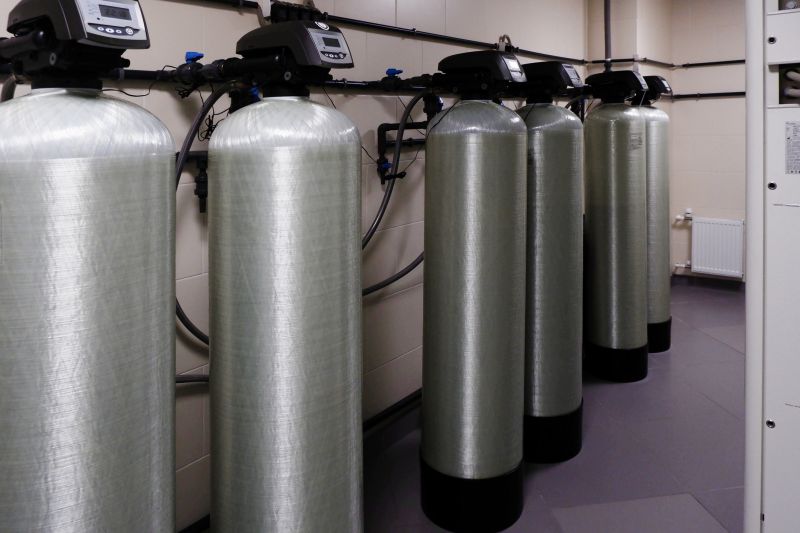
Ways to make Water Treatments work in tight or awkward layouts.

Popular materials for Water Treatments and why they hold up over time.
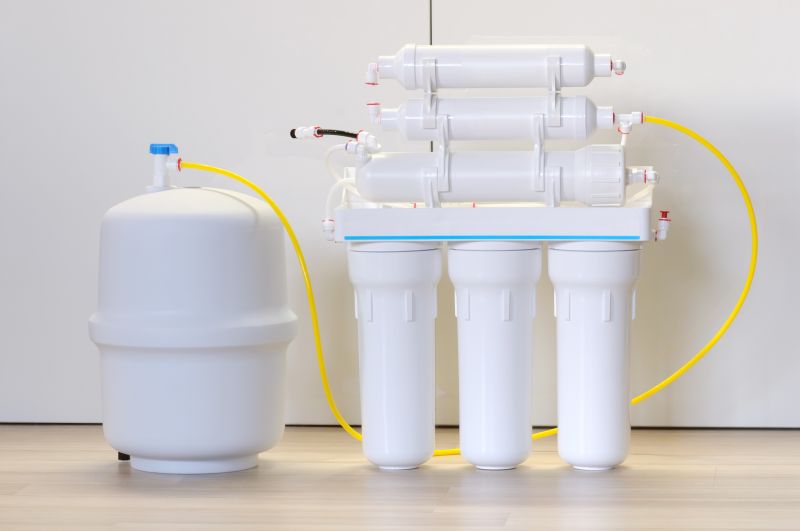
Simple add-ons that improve Water Treatments without blowing the budget.
| Ideal Treatment Timing | Notes |
|---|---|
| Late Fall | Prepares water systems for winter and prevents freezing damage. |
| Early Spring | Removes accumulated minerals and bacteria after winter. |
| Mid-Summer | Addresses increased demand and potential bacterial growth. |
| Post-Heavy Rainfall | Removes contaminants introduced during storms. |
| Before Peak Usage | Ensures water quality during high demand periods. |
| Regularly Scheduled | Based on water testing results and system needs. |
Water treatments involve processes such as filtration, chemical dosing, and disinfection to improve water quality. Proper timing ensures these processes are most effective, reducing the risk of contamination, mineral buildup, and system corrosion. Regular assessments and adherence to recommended schedules help maintain safe and clean water supplies.
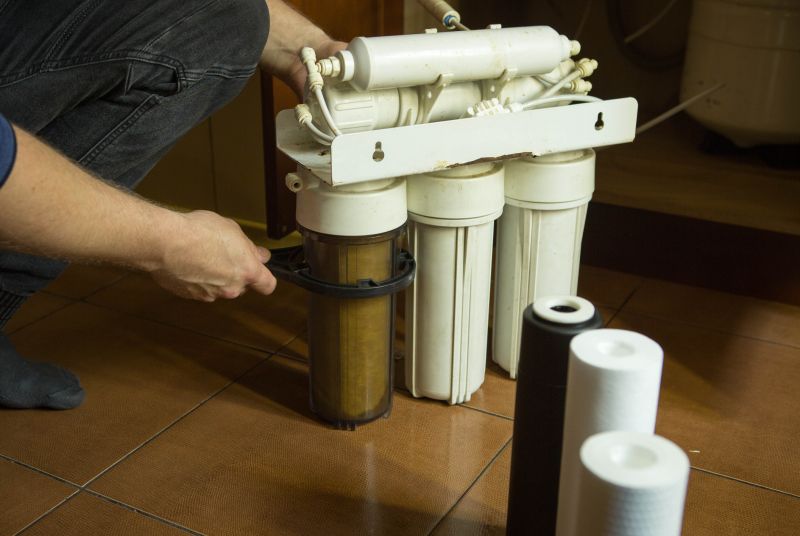
Removes particulates and impurities from water.
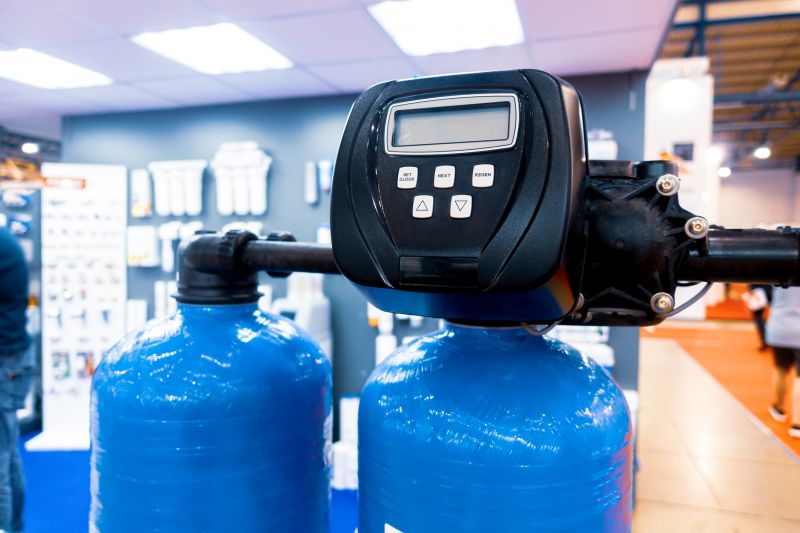
Controls pH and eliminates bacteria.
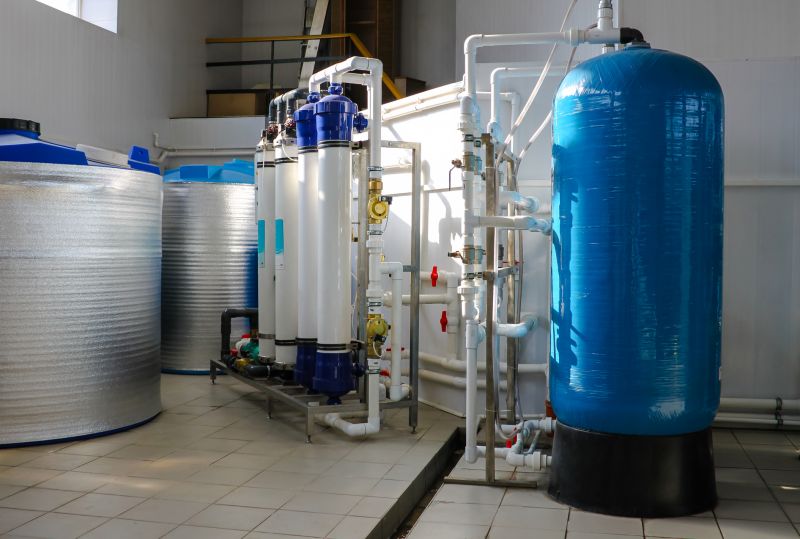
Ensures water is free of pathogens.

Analyzes water quality for treatment decisions.
Scheduling water treatments at optimal times enhances water safety and system longevity. Regular monitoring and adjustments based on water quality data are essential for effective management. Proper timing minimizes disruptions and maximizes treatment benefits.