Custom Water Treatment Systems to Enhance Water Quality
Water treatment services are essential for ensuring the safety, quality, and clarity of water supplies in residential, commercial, and industrial settings. Proper treatment can remove contaminants, improve taste, and meet regulatory standards, contributing to healthier water for daily use.
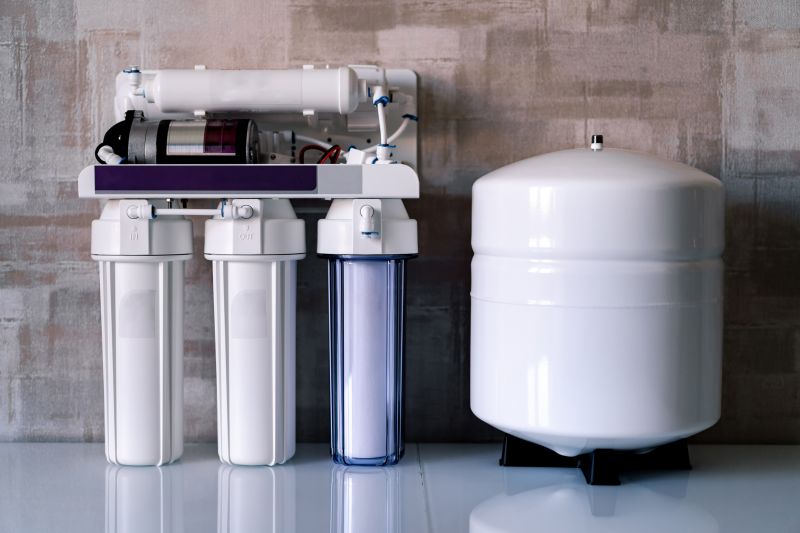
Advanced filtration systems effectively remove sediments, chlorine, and other impurities, enhancing water quality for household and commercial use.
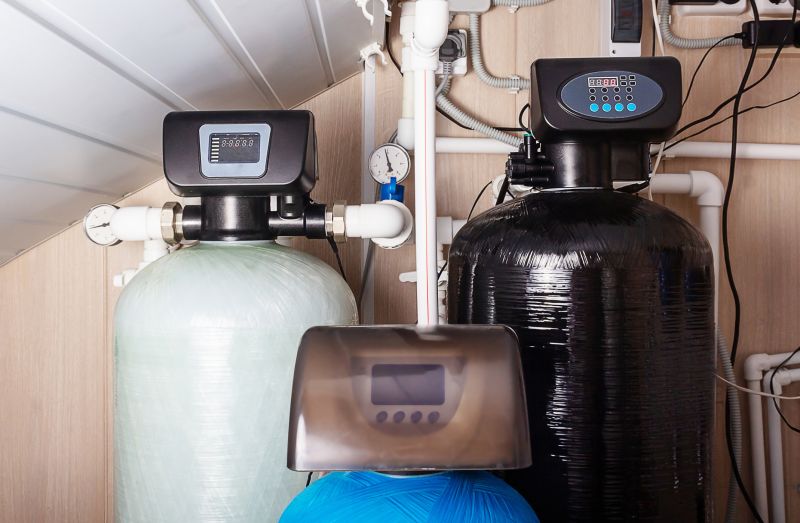
Water softening reduces mineral content, preventing scale buildup and extending the lifespan of plumbing and appliances.
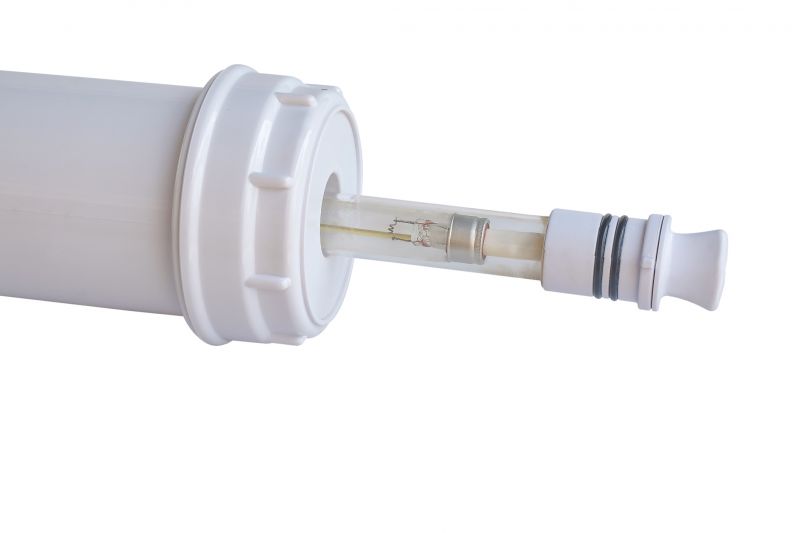
UV purification uses ultraviolet light to eliminate bacteria and viruses, providing a reliable method for pathogen removal.
Implementing water treatments involves a series of processes designed to improve water quality. These processes include filtration, chemical disinfection, and mineral adjustment. The choice of treatment depends on the specific water quality issues and the intended use of the water.
Statistics indicate that over 90 percent of households and businesses in Waterford, MI, rely on some form of water treatment to meet safety standards. Professional water treatment services typically take between a few hours to a full day, depending on the complexity of the system and the scope of work involved.
The process begins with an assessment of water quality, followed by system installation or maintenance, which includes filter replacement, system calibration, and testing to ensure optimal performance.
Professional water treatment providers have the expertise to evaluate water quality accurately, select appropriate systems, and ensure proper installation, resulting in effective and long-lasting solutions.
Using a professional service ensures compliance with health standards, improves water clarity and taste, and reduces the risk of waterborne contaminants.
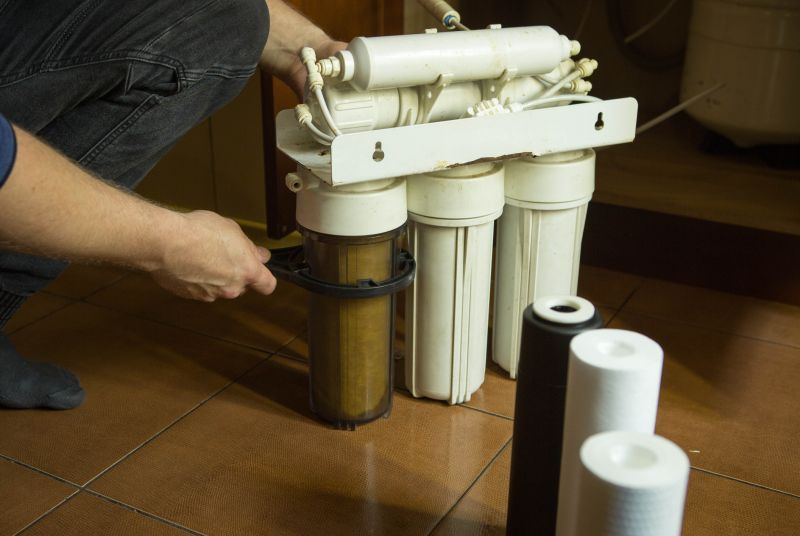
A fully installed filtration and softening setup in a residential property.
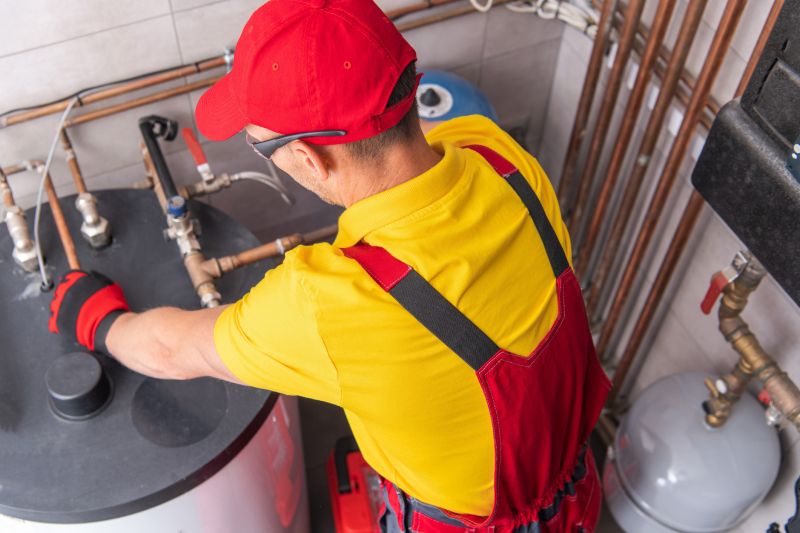
Technicians performing maintenance on a commercial water treatment system.
Sample collection and analysis to ensure water meets safety standards.
Proper water treatment can significantly improve water safety and quality, making it suitable for drinking, cooking, and industrial processes. Regular maintenance and professional assessments help maintain system efficiency and water standards.
| Water Treatment Method | Description |
|---|---|
| Filtration | Removes sediments, chlorine, and other impurities through physical or chemical filters. |
| Water Softening | Reduces mineral content such as calcium and magnesium to prevent scale buildup. |
| Ultraviolet Disinfection | Uses UV light to eliminate bacteria and viruses. |
| Chemical Treatment | Adds disinfectants like chlorine or chloramine to kill pathogens. |
| Reverse Osmosis | Passes water through a semi-permeable membrane to remove dissolved solids and contaminants. |
| Ion Exchange | Replaces undesirable ions with benign ones to improve water quality. |
| Ozone Treatment | Uses ozone gas to disinfect and oxidize contaminants. |
| Aeration | Introduces air to remove volatile substances and improve taste. |